Buy asapakademia.pl ?
We are moving the project
asapakademia.pl .
Are you interested in purchasing the domain
asapakademia.pl ?
domain@kv-gmbh.de · 0541-91531010
Buy asapakademia.pl ?
What exactly are phospholipids?
Phospholipids are a class of lipids that are a major component of cell membranes. They consist of a hydrophilic (water-attracting) head and two hydrophobic (water-repelling) tails. This unique structure allows phospholipids to form a bilayer in the cell membrane, with the hydrophilic heads facing the aqueous environment inside and outside the cell, and the hydrophobic tails facing each other in the middle of the membrane. This structure provides the cell membrane with its characteristic flexibility and selective permeability. **
What properties do phospholipids possess?
Phospholipids are a class of lipids that possess both hydrophilic (water-attracting) and hydrophobic (water-repelling) properties. This dual nature allows phospholipids to form the basic structure of cell membranes, with the hydrophilic head facing the watery environment and the hydrophobic tails facing inward. This arrangement creates a barrier that separates the interior of the cell from its external environment. Additionally, phospholipids are amphipathic, meaning they have both polar and nonpolar regions, which gives them the ability to self-assemble into bilayers and vesicles. **
Similar search terms for Phospholipids
Top-Angebote
Products related to Phospholipids:
-
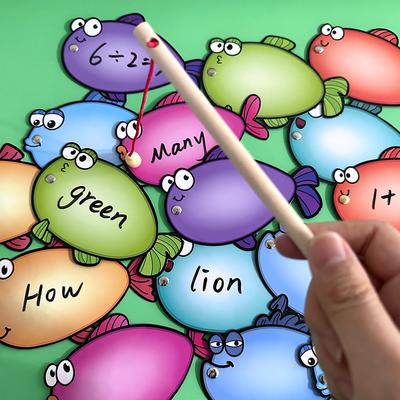
Perfect Picks Market Montessori Reusable Learning Cards Set For Kids Early Education Writing Practice Game Montessori Reusable Learning Cards Set For Kids Early Education Writing Practice GameTurn everyday learning into a fun, handson experience with these Montessori toys designed to spark curiosity and creativity. This engaging set of reusable cards helps young children build essential skills through play, making it perfect for early...39,97 $*Shipping: 0,00 $Secure redirect to the provider
-
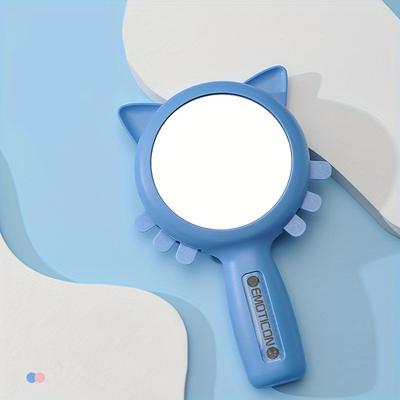
Perfect Picks Market Kids Emotional Expression Mirror Early Education & Emotional Learning Toy For Toddlers blueNurture your childs emotional intelligence with the Kids Emotional Expression Mirrora fun, interactive learning tool designed to help toddlers understand and manage their feelings. This innovative toy features six emotional expression cards and a...49,97 $*Shipping: 0,00 $Secure redirect to the provider
-
Tiny Tots Teens Trends Bright Color Montessori Wooden Toys, Adorable Caterpillar Puppet, KTV Adults, Kids Early Education Learning Toy For Boys Bright Color Montessori Wooden Toys, Adorable Caterpillar Puppet, KTV Adults, Kids Early Education Learning ToyEnhance Learning with Montessori Wooden Toys Introduce your child to the world of interactive learning with our Montessori Wooden Toys. Designed to stimulate both cognitive development and creativity, these toys are perfect for early education. The...44,97 $*Shipping: 0,00 $Secure redirect to the provider
-
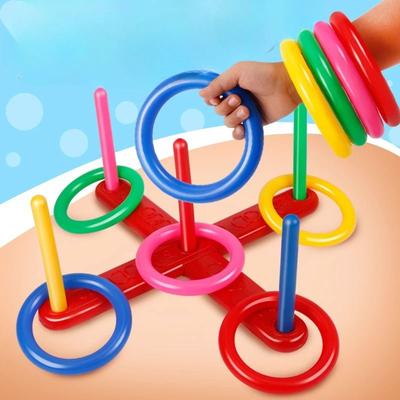
Uplifted Finds Interactive Ring Toss Training System Professional Early Education & Pediatric Fitness Infrastructure Interactive Ring Toss Training System Professional Early Education & Pediatric Fitness InfrastructureCommand ultimate developmental confidence with the Interactive Ring Toss Training System, a highperformance educational solution specifically engineered to act as a comprehensive tool for elite organization and superior technical ergonomics. Built...52,97 $*Shipping: 0,00 $Secure redirect to the provider

-
What are the components of phospholipids?
Phospholipids are composed of a glycerol molecule, two fatty acid chains, a phosphate group, and a polar head group. The fatty acid chains are hydrophobic, meaning they repel water, while the phosphate group and polar head group are hydrophilic, meaning they attract water. This unique structure allows phospholipids to form the lipid bilayer that makes up cell membranes, with the hydrophobic tails facing inward and the hydrophilic heads facing outward towards the water. **
-
Why do phospholipids form a double layer?
Phospholipids form a double layer, known as a lipid bilayer, because of their amphipathic nature. This means that they have both hydrophilic (water-attracting) and hydrophobic (water-repelling) regions. When phospholipids are placed in an aqueous environment, the hydrophobic tails naturally orient themselves away from the water, while the hydrophilic heads interact with the water. This arrangement allows phospholipids to form a stable barrier, such as the cell membrane, with the hydrophobic tails sandwiched between two layers of hydrophilic heads. This lipid bilayer structure provides a selective barrier that controls the movement of molecules in and out of the cell. **
-
What is the difference between phospholipids and triglycerides?
Phospholipids and triglycerides are both types of lipids, but they have different structures and functions. Phospholipids have two fatty acid chains and a phosphate group, which allows them to form cell membranes and act as emulsifiers. Triglycerides, on the other hand, have three fatty acid chains and are used primarily as energy storage molecules. Additionally, triglycerides are hydrophobic, while phospholipids have both hydrophobic and hydrophilic regions, making them amphipathic molecules. **
-
Why do phospholipids have different structures in water?
Phospholipids have different structures in water because of their amphiphilic nature. This means that they have both hydrophilic (water-attracting) and hydrophobic (water-repelling) regions. In water, phospholipids arrange themselves in a bilayer with the hydrophilic heads facing the water and the hydrophobic tails facing each other. This arrangement allows phospholipids to form cell membranes and other structures that are essential for the functioning of living organisms. The different structures of phospholipids in water allow them to fulfill their roles in maintaining the integrity and function of biological membranes. **
How do phospholipids from plant and animal sources differ?
Phospholipids from plant and animal sources differ in their fatty acid composition. Plant phospholipids typically contain higher levels of unsaturated fatty acids, such as linoleic and linolenic acids, while animal phospholipids contain higher levels of saturated fatty acids, such as palmitic and stearic acids. This difference in fatty acid composition can affect the physical properties of the phospholipids, such as their fluidity and melting point. Additionally, plant phospholipids may also contain unique fatty acids, such as alpha-linolenic acid, which are not typically found in animal phospholipids. **
In the double layer of phospholipids, what fluid is present?
In the double layer of phospholipids, the fluid present is known as the lipid bilayer. This lipid bilayer is composed of two layers of phospholoids, with the hydrophilic (water-attracting) heads facing outward and the hydrophobic (water-repelling) tails facing inward. This arrangement creates a fluid and flexible barrier that surrounds the cell and regulates the movement of molecules in and out of the cell. The fluidity of the lipid bilayer allows for the dynamic movement of proteins and other molecules within the cell membrane. **
Top-Angebote
Products related to Phospholipids:
-
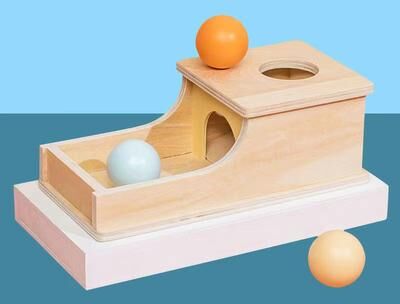
Tiny Tots Teens Trends Drawer Game Early Education Montessori Wooden Pitch Ball Box Preschool Learning Training Toy Drawer Game Early Education Montessori Wooden Pitch Ball Box Preschool Learning Training ToyThis Montessori Wooden Pitch Ball Box Drawer Game is a thoughtfully designed earlyeducation toy that transforms playtime into purposeful learning. Crafted for toddlers and preschoolers, it offers a handson, engaging way to support key developmental...39,97 $*Shipping: 0,00 $Secure redirect to the provider
-
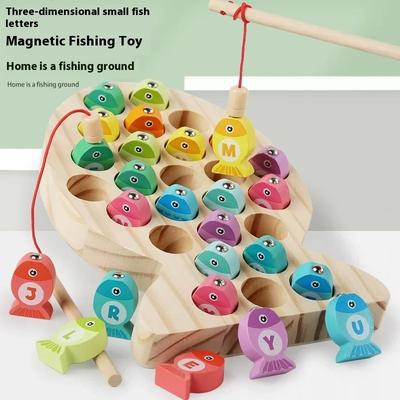
Inspire Select Wooden Montessori Fishing Toy Set Kids Number & Alphabet Learning Game For Early Education Training lettersMake learning fun and interactive with a playful educational experience. This Montessori fishing toy helps children develop essential skills while enjoying handson play. Designed for toddlers and young kids, this wooden learning toy combines...96,97 $*Shipping: 0,00 $Secure redirect to the provider
-
Perfect Picks Market Montessori Reusable Learning Cards Set For Kids Early Education Writing Practice Game Montessori Reusable Learning Cards Set For Kids Early Education Writing Practice GameTurn everyday learning into a fun, handson experience with these Montessori toys designed to spark curiosity and creativity. This engaging set of reusable cards helps young children build essential skills through play, making it perfect for early...39,97 $*Shipping: 0,00 $Secure redirect to the provider
-
Perfect Picks Market Kids Emotional Expression Mirror Early Education & Emotional Learning Toy For Toddlers blueNurture your childs emotional intelligence with the Kids Emotional Expression Mirrora fun, interactive learning tool designed to help toddlers understand and manage their feelings. This innovative toy features six emotional expression cards and a...49,97 $*Shipping: 0,00 $Secure redirect to the provider
-
What exactly are phospholipids?
Phospholipids are a class of lipids that are a major component of cell membranes. They consist of a hydrophilic (water-attracting) head and two hydrophobic (water-repelling) tails. This unique structure allows phospholipids to form a bilayer in the cell membrane, with the hydrophilic heads facing the aqueous environment inside and outside the cell, and the hydrophobic tails facing each other in the middle of the membrane. This structure provides the cell membrane with its characteristic flexibility and selective permeability. **
-
What properties do phospholipids possess?
Phospholipids are a class of lipids that possess both hydrophilic (water-attracting) and hydrophobic (water-repelling) properties. This dual nature allows phospholipids to form the basic structure of cell membranes, with the hydrophilic head facing the watery environment and the hydrophobic tails facing inward. This arrangement creates a barrier that separates the interior of the cell from its external environment. Additionally, phospholipids are amphipathic, meaning they have both polar and nonpolar regions, which gives them the ability to self-assemble into bilayers and vesicles. **
-
What are the components of phospholipids?
Phospholipids are composed of a glycerol molecule, two fatty acid chains, a phosphate group, and a polar head group. The fatty acid chains are hydrophobic, meaning they repel water, while the phosphate group and polar head group are hydrophilic, meaning they attract water. This unique structure allows phospholipids to form the lipid bilayer that makes up cell membranes, with the hydrophobic tails facing inward and the hydrophilic heads facing outward towards the water. **
-
Why do phospholipids form a double layer?
Phospholipids form a double layer, known as a lipid bilayer, because of their amphipathic nature. This means that they have both hydrophilic (water-attracting) and hydrophobic (water-repelling) regions. When phospholipids are placed in an aqueous environment, the hydrophobic tails naturally orient themselves away from the water, while the hydrophilic heads interact with the water. This arrangement allows phospholipids to form a stable barrier, such as the cell membrane, with the hydrophobic tails sandwiched between two layers of hydrophilic heads. This lipid bilayer structure provides a selective barrier that controls the movement of molecules in and out of the cell. **
Similar search terms for Phospholipids
-
Tiny Tots Teens Trends Bright Color Montessori Wooden Toys, Adorable Caterpillar Puppet, KTV Adults, Kids Early Education Learning Toy For Boys Bright Color Montessori Wooden Toys, Adorable Caterpillar Puppet, KTV Adults, Kids Early Education Learning ToyEnhance Learning with Montessori Wooden Toys Introduce your child to the world of interactive learning with our Montessori Wooden Toys. Designed to stimulate both cognitive development and creativity, these toys are perfect for early education. The...44,97 $*Shipping: 0,00 $Secure redirect to the provider
-
Uplifted Finds Interactive Ring Toss Training System Professional Early Education & Pediatric Fitness Infrastructure Interactive Ring Toss Training System Professional Early Education & Pediatric Fitness InfrastructureCommand ultimate developmental confidence with the Interactive Ring Toss Training System, a highperformance educational solution specifically engineered to act as a comprehensive tool for elite organization and superior technical ergonomics. Built...52,97 $*Shipping: 0,00 $Secure redirect to the provider
-
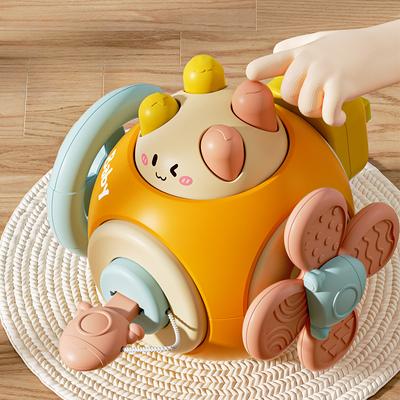
Tiny Tots Teens Trends Montessori Baby Training, Infant Puzzle Early Education Toys, Busy Hand Grasping Ball For Baby Montessori Baby Training, Infant Puzzle Early Education Toys, Busy Hand Grasping Ball For BabyIntroduce Your Baby to the World of Learning The Infant Puzzle Early Education Toys are designed to foster cognitive and physical development in your little one. This Multifunctional Busy Ball for Montessori Baby Training is ideal for enhancing...79,97 $*Shipping: 0,00 $Secure redirect to the provider
-
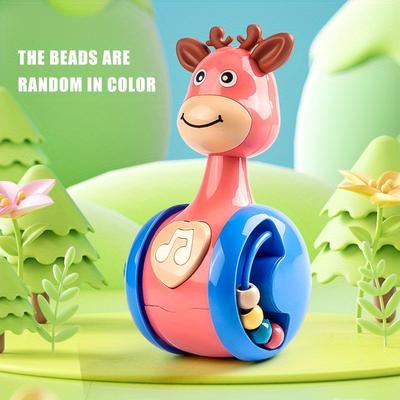
Perfect Picks Market Tumbler Wobbler Toys For Infant Boy Girl, Roly Poly Baby Toys Months Ideal For Early Education And Learning pinkEncourage Your Babys Growth with Roly Poly Baby Toys Give your little one the perfect start with Roly Poly Baby Toys 6 to 12 Months. These tumbler wobbler toys are designed to engage infants, helping them build essential skills like balance,...31,97 $*Shipping: 0,00 $Secure redirect to the provider
-
What is the difference between phospholipids and triglycerides?
Phospholipids and triglycerides are both types of lipids, but they have different structures and functions. Phospholipids have two fatty acid chains and a phosphate group, which allows them to form cell membranes and act as emulsifiers. Triglycerides, on the other hand, have three fatty acid chains and are used primarily as energy storage molecules. Additionally, triglycerides are hydrophobic, while phospholipids have both hydrophobic and hydrophilic regions, making them amphipathic molecules. **
-
Why do phospholipids have different structures in water?
Phospholipids have different structures in water because of their amphiphilic nature. This means that they have both hydrophilic (water-attracting) and hydrophobic (water-repelling) regions. In water, phospholipids arrange themselves in a bilayer with the hydrophilic heads facing the water and the hydrophobic tails facing each other. This arrangement allows phospholipids to form cell membranes and other structures that are essential for the functioning of living organisms. The different structures of phospholipids in water allow them to fulfill their roles in maintaining the integrity and function of biological membranes. **
-
How do phospholipids from plant and animal sources differ?
Phospholipids from plant and animal sources differ in their fatty acid composition. Plant phospholipids typically contain higher levels of unsaturated fatty acids, such as linoleic and linolenic acids, while animal phospholipids contain higher levels of saturated fatty acids, such as palmitic and stearic acids. This difference in fatty acid composition can affect the physical properties of the phospholipids, such as their fluidity and melting point. Additionally, plant phospholipids may also contain unique fatty acids, such as alpha-linolenic acid, which are not typically found in animal phospholipids. **
-
In the double layer of phospholipids, what fluid is present?
In the double layer of phospholipids, the fluid present is known as the lipid bilayer. This lipid bilayer is composed of two layers of phospholoids, with the hydrophilic (water-attracting) heads facing outward and the hydrophobic (water-repelling) tails facing inward. This arrangement creates a fluid and flexible barrier that surrounds the cell and regulates the movement of molecules in and out of the cell. The fluidity of the lipid bilayer allows for the dynamic movement of proteins and other molecules within the cell membrane. **
* All prices are inclusive of VAT and, if applicable, plus shipping costs. The offer information is based on the details provided by the respective shop and is updated through automated processes. Real-time updates do not occur, so deviations can occur in individual cases. ** Note: Parts of this content were created by AI.