Buy asapakademia.pl ?
We are moving the project
asapakademia.pl .
Are you interested in purchasing the domain
asapakademia.pl ?
domain@kv-gmbh.de · 0541-91531010
Buy asapakademia.pl ?
What does external economic liberalization mean?
External economic liberalization refers to the opening up of a country's economy to international trade and investment. This involves reducing barriers such as tariffs, quotas, and restrictions on foreign ownership, in order to promote economic growth and increase competitiveness. By allowing for greater participation in the global economy, external economic liberalization can lead to increased foreign investment, technology transfer, and access to new markets. However, it can also expose domestic industries to more competition, which may require adjustments and reforms to remain competitive. **
What exactly is meant by market liberalization?
Market liberalization refers to the process of reducing government regulations and restrictions on economic activities, particularly in the context of trade and commerce. This typically involves opening up markets to competition, removing barriers to entry for new businesses, and allowing prices to be determined by supply and demand forces. The goal of market liberalization is to promote efficiency, innovation, and economic growth by creating a more competitive and dynamic business environment. **
Similar search terms for Liberalization
Top-Angebote
Products related to Liberalization:
-
Perfect Picks Market Montessori Reusable Learning Cards Set For Kids Early Education Writing Practice Game Montessori Reusable Learning Cards Set For Kids Early Education Writing Practice GameTurn everyday learning into a fun, handson experience with these Montessori toys designed to spark curiosity and creativity. This engaging set of reusable cards helps young children build essential skills through play, making it perfect for early...39,97 $*Shipping: 0,00 $Secure redirect to the provider
-
Perfect Picks Market Kids Emotional Expression Mirror Early Education & Emotional Learning Toy For Toddlers pinkNurture your childs emotional intelligence with the Kids Emotional Expression Mirrora fun, interactive learning tool designed to help toddlers understand and manage their feelings. This innovative toy features six emotional expression cards and a...49,97 $*Shipping: 0,00 $Secure redirect to the provider
-
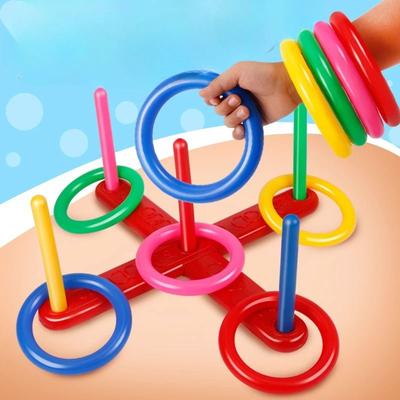
Uplifted Finds Interactive Ring Toss Training System Professional Early Education & Pediatric Fitness Infrastructure Interactive Ring Toss Training System Professional Early Education & Pediatric Fitness InfrastructureCommand ultimate developmental confidence with the Interactive Ring Toss Training System, a highperformance educational solution specifically engineered to act as a comprehensive tool for elite organization and superior technical ergonomics. Built...52,97 $*Shipping: 0,00 $Secure redirect to the provider
-
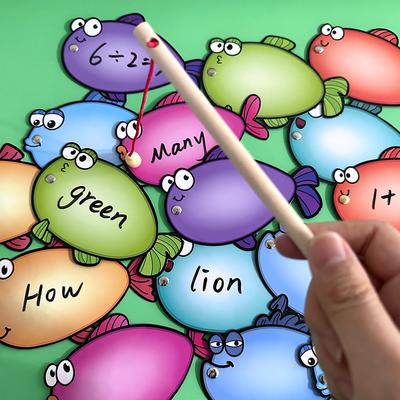
Tiny Tots Teens Trends Bright Color Montessori Wooden Toys, Adorable Caterpillar Puppet, KTV Adults, Kids Early Education Learning Toy For Boys Bright Color Montessori Wooden Toys, Adorable Caterpillar Puppet, KTV Adults, Kids Early Education Learning ToyEnhance Learning with Montessori Wooden Toys Introduce your child to the world of interactive learning with our Montessori Wooden Toys. Designed to stimulate both cognitive development and creativity, these toys are perfect for early education. The...44,97 $*Shipping: 0,00 $Secure redirect to the provider


-
What is the difference between liberalization and deregulation?
Liberalization refers to the opening up of markets to increased competition and reducing barriers to entry for new players. It aims to increase efficiency and innovation in industries by allowing more players to participate. On the other hand, deregulation specifically refers to the removal or reduction of government regulations and controls in a particular industry. While liberalization focuses on increasing competition, deregulation focuses on reducing government intervention and control in an industry. **
-
What does the liberalization of financial markets mean?
The liberalization of financial markets refers to the process of removing restrictions and regulations on the flow of capital and financial transactions. This allows for greater participation of foreign investors, increased competition, and more efficient allocation of resources. Liberalization can lead to increased economic growth, as it allows for easier access to capital and investment opportunities. However, it can also make markets more volatile and susceptible to external shocks. **
-
What does the liberalization of securities trading mean?
The liberalization of securities trading refers to the process of removing restrictions and regulations on the buying and selling of securities, such as stocks and bonds. This can include allowing for greater market access, reducing transaction costs, and increasing competition among market participants. Liberalization aims to create a more efficient and transparent market, and can lead to increased investment opportunities and economic growth. However, it also comes with potential risks, such as increased market volatility and the potential for market manipulation. **
-
What exactly is meant by the liberalization of markets?
The liberalization of markets refers to the process of reducing government regulations and restrictions on economic activities, particularly in the areas of trade, investment, and competition. This often involves removing barriers to entry for new businesses, reducing tariffs and quotas on imports and exports, and allowing for more freedom in pricing and production decisions. The goal of market liberalization is to promote economic efficiency, encourage competition, and stimulate growth by allowing market forces to operate more freely. This can lead to increased consumer choice, lower prices, and greater innovation in the economy. **


What is the difference between deregulation and liberalization of markets?
Deregulation refers to the removal or reduction of government regulations and restrictions on a particular industry or market. This can lead to increased competition and lower prices for consumers. On the other hand, liberalization involves opening up a market to more competition by allowing new players to enter and operate in that market. This can also lead to increased competition, innovation, and efficiency in the market. In essence, deregulation focuses on removing existing regulations, while liberalization focuses on creating a more open and competitive market environment. **
How can one explain globalization in relation to deregulation and liberalization, and what are the social impacts of globalization?
Globalization can be explained in relation to deregulation and liberalization as the process of increasing interconnectedness and interdependence among countries, economies, and cultures. Deregulation refers to the reduction of government control and intervention in the economy, while liberalization refers to the opening up of markets and trade. These policies have facilitated the flow of goods, services, capital, and information across borders, leading to increased economic integration and global interconnectedness. The social impacts of globalization are multifaceted. On one hand, it has led to increased access to goods, services, and information, as well as the spread of ideas and cultures. On the other hand, it has also contributed to widening income inequality, job displacement, and the erosion of local cultures and traditions. Additionally, globalization has led to the exploitation of labor and resources in developing countries, as well as the homogenization of consumer culture. Overall, globalization has both positive and negative social impacts, and its effects vary across different regions and communities. **
Top-Angebote
Products related to Liberalization:
-
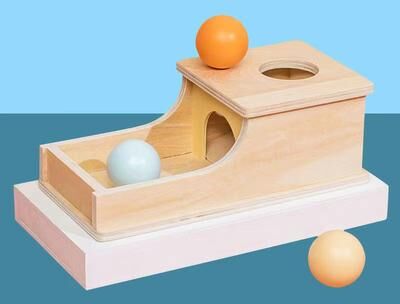
Tiny Tots Teens Trends Drawer Game Early Education Montessori Wooden Pitch Ball Box Preschool Learning Training Toy Drawer Game Early Education Montessori Wooden Pitch Ball Box Preschool Learning Training ToyThis Montessori Wooden Pitch Ball Box Drawer Game is a thoughtfully designed earlyeducation toy that transforms playtime into purposeful learning. Crafted for toddlers and preschoolers, it offers a handson, engaging way to support key developmental...39,97 $*Shipping: 0,00 $Secure redirect to the provider
-
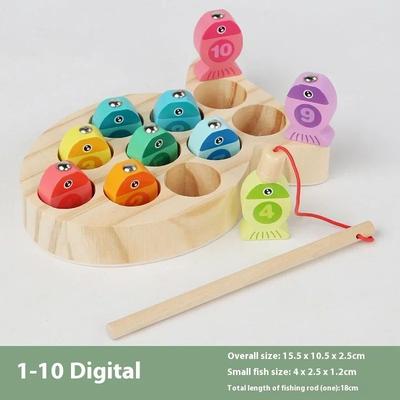
Inspire Select Wooden Montessori Fishing Toy Set Kids Number & Alphabet Learning Game For Early Education Training numbersMake learning fun and interactive with a playful educational experience. This Montessori fishing toy helps children develop essential skills while enjoying handson play. Designed for toddlers and young kids, this wooden learning toy combines...64,96 $*Shipping: 0,00 $Secure redirect to the provider
-
Perfect Picks Market Montessori Reusable Learning Cards Set For Kids Early Education Writing Practice Game Montessori Reusable Learning Cards Set For Kids Early Education Writing Practice GameTurn everyday learning into a fun, handson experience with these Montessori toys designed to spark curiosity and creativity. This engaging set of reusable cards helps young children build essential skills through play, making it perfect for early...39,97 $*Shipping: 0,00 $Secure redirect to the provider
-
Perfect Picks Market Kids Emotional Expression Mirror Early Education & Emotional Learning Toy For Toddlers pinkNurture your childs emotional intelligence with the Kids Emotional Expression Mirrora fun, interactive learning tool designed to help toddlers understand and manage their feelings. This innovative toy features six emotional expression cards and a...49,97 $*Shipping: 0,00 $Secure redirect to the provider
-
What does external economic liberalization mean?
External economic liberalization refers to the opening up of a country's economy to international trade and investment. This involves reducing barriers such as tariffs, quotas, and restrictions on foreign ownership, in order to promote economic growth and increase competitiveness. By allowing for greater participation in the global economy, external economic liberalization can lead to increased foreign investment, technology transfer, and access to new markets. However, it can also expose domestic industries to more competition, which may require adjustments and reforms to remain competitive. **
-
What exactly is meant by market liberalization?
Market liberalization refers to the process of reducing government regulations and restrictions on economic activities, particularly in the context of trade and commerce. This typically involves opening up markets to competition, removing barriers to entry for new businesses, and allowing prices to be determined by supply and demand forces. The goal of market liberalization is to promote efficiency, innovation, and economic growth by creating a more competitive and dynamic business environment. **
-
What is the difference between liberalization and deregulation?
Liberalization refers to the opening up of markets to increased competition and reducing barriers to entry for new players. It aims to increase efficiency and innovation in industries by allowing more players to participate. On the other hand, deregulation specifically refers to the removal or reduction of government regulations and controls in a particular industry. While liberalization focuses on increasing competition, deregulation focuses on reducing government intervention and control in an industry. **
-
What does the liberalization of financial markets mean?
The liberalization of financial markets refers to the process of removing restrictions and regulations on the flow of capital and financial transactions. This allows for greater participation of foreign investors, increased competition, and more efficient allocation of resources. Liberalization can lead to increased economic growth, as it allows for easier access to capital and investment opportunities. However, it can also make markets more volatile and susceptible to external shocks. **
Similar search terms for Liberalization
-
Uplifted Finds Interactive Ring Toss Training System Professional Early Education & Pediatric Fitness Infrastructure Interactive Ring Toss Training System Professional Early Education & Pediatric Fitness InfrastructureCommand ultimate developmental confidence with the Interactive Ring Toss Training System, a highperformance educational solution specifically engineered to act as a comprehensive tool for elite organization and superior technical ergonomics. Built...52,97 $*Shipping: 0,00 $Secure redirect to the provider
-
Tiny Tots Teens Trends Bright Color Montessori Wooden Toys, Adorable Caterpillar Puppet, KTV Adults, Kids Early Education Learning Toy For Boys Bright Color Montessori Wooden Toys, Adorable Caterpillar Puppet, KTV Adults, Kids Early Education Learning ToyEnhance Learning with Montessori Wooden Toys Introduce your child to the world of interactive learning with our Montessori Wooden Toys. Designed to stimulate both cognitive development and creativity, these toys are perfect for early education. The...44,97 $*Shipping: 0,00 $Secure redirect to the provider
-
Tiny Tots Teens Trends Montessori Baby Training, Infant Puzzle Early Education Toys, Busy Hand Grasping Ball For Baby Montessori Baby Training, Infant Puzzle Early Education Toys, Busy Hand Grasping Ball For BabyIntroduce Your Baby to the World of Learning The Infant Puzzle Early Education Toys are designed to foster cognitive and physical development in your little one. This Multifunctional Busy Ball for Montessori Baby Training is ideal for enhancing...79,97 $*Shipping: 0,00 $Secure redirect to the provider
-
Perfect Picks Market Tumbler Wobbler Toys For Infant Boy Girl, Roly Poly Baby Toys Months Ideal For Early Education And Learning blueEncourage Your Babys Growth with Roly Poly Baby Toys Give your little one the perfect start with Roly Poly Baby Toys 6 to 12 Months. These tumbler wobbler toys are designed to engage infants, helping them build essential skills like balance,...31,97 $*Shipping: 0,00 $Secure redirect to the provider
-
What does the liberalization of securities trading mean?
The liberalization of securities trading refers to the process of removing restrictions and regulations on the buying and selling of securities, such as stocks and bonds. This can include allowing for greater market access, reducing transaction costs, and increasing competition among market participants. Liberalization aims to create a more efficient and transparent market, and can lead to increased investment opportunities and economic growth. However, it also comes with potential risks, such as increased market volatility and the potential for market manipulation. **
-
What exactly is meant by the liberalization of markets?
The liberalization of markets refers to the process of reducing government regulations and restrictions on economic activities, particularly in the areas of trade, investment, and competition. This often involves removing barriers to entry for new businesses, reducing tariffs and quotas on imports and exports, and allowing for more freedom in pricing and production decisions. The goal of market liberalization is to promote economic efficiency, encourage competition, and stimulate growth by allowing market forces to operate more freely. This can lead to increased consumer choice, lower prices, and greater innovation in the economy. **
-
What is the difference between deregulation and liberalization of markets?
Deregulation refers to the removal or reduction of government regulations and restrictions on a particular industry or market. This can lead to increased competition and lower prices for consumers. On the other hand, liberalization involves opening up a market to more competition by allowing new players to enter and operate in that market. This can also lead to increased competition, innovation, and efficiency in the market. In essence, deregulation focuses on removing existing regulations, while liberalization focuses on creating a more open and competitive market environment. **
-
How can one explain globalization in relation to deregulation and liberalization, and what are the social impacts of globalization?
Globalization can be explained in relation to deregulation and liberalization as the process of increasing interconnectedness and interdependence among countries, economies, and cultures. Deregulation refers to the reduction of government control and intervention in the economy, while liberalization refers to the opening up of markets and trade. These policies have facilitated the flow of goods, services, capital, and information across borders, leading to increased economic integration and global interconnectedness. The social impacts of globalization are multifaceted. On one hand, it has led to increased access to goods, services, and information, as well as the spread of ideas and cultures. On the other hand, it has also contributed to widening income inequality, job displacement, and the erosion of local cultures and traditions. Additionally, globalization has led to the exploitation of labor and resources in developing countries, as well as the homogenization of consumer culture. Overall, globalization has both positive and negative social impacts, and its effects vary across different regions and communities. **
* All prices are inclusive of VAT and, if applicable, plus shipping costs. The offer information is based on the details provided by the respective shop and is updated through automated processes. Real-time updates do not occur, so deviations can occur in individual cases. ** Note: Parts of this content were created by AI.