Buy asapakademia.pl ?
We are moving the project
asapakademia.pl .
Are you interested in purchasing the domain
asapakademia.pl ?
domain@kv-gmbh.de · 0541-91531010
Buy asapakademia.pl ?
What is the Python learning environment?
The Python learning environment refers to the tools and resources available for individuals to learn and practice Python programming. This includes online tutorials, interactive coding platforms, textbooks, and IDEs (Integrated Development Environments) such as PyCharm, Jupyter Notebook, and Visual Studio Code. These environments provide a platform for beginners to write, test, and debug Python code, helping them to develop their programming skills effectively. **
How does learning occur in interaction with the environment?
Learning occurs in interaction with the environment through a process of observation, exploration, and experience. When individuals engage with their surroundings, they are able to gather information, make connections, and develop an understanding of the world around them. This interaction allows for the acquisition of new knowledge, skills, and behaviors as individuals adapt and respond to the stimuli present in their environment. Additionally, feedback and reinforcement from the environment can further shape and refine the learning process, leading to the acquisition of new information and the development of cognitive and behavioral abilities. Overall, learning in interaction with the environment is a dynamic and ongoing process that is essential for individual growth and development. **


Similar search terms for Environment
Top-Angebote
Products related to Environment:
-
ENVIRONMENT Diffuser Inspired by The Wynn Hotel® - 200mLVegan and cruelty-free. Diffuser that is inspired by The Wynn Hotel®. Juicy green melon and nectarine blend into a heart of jasmine and lily ending with notes of blackberry and oakmoss.39,28 $*Shipping: 0,00 $Secure redirect to the provider
-
Hama Tahiti Indoor Temperature & humidity sensor Mechanical environment thermometerHama Tahiti. Purpose: Indoor, Sensor type: Temperature & humidity sensor, Type: Mechanical environment thermometer. Width: 110 mm, Depth: 42 mm, Height: 130 mm. Package width: 135 mm, Package depth: 115 mm, Package height: 45 mm. Sustainability certificates: Forest Stewardship Council (FSC)22,49 £*Shipping: 0,00 £Secure redirect to the provider
-
ENVIRONMENT Diffuser Inspired by Delano Beach Club Hotel® - 200mLVegan and cruelty-free. Diffuser that is inspired by Delano Beach Club®. Sunny orange and bergamot are met with a heart of green tea and jasmine followed by notes of lemongrass and a hint of washed woods.43,49 $*Shipping: 0,00 $Secure redirect to the provider




-
'Economy or Environment?'
Both the economy and the environment are important and interconnected. It is essential to strike a balance between economic growth and environmental protection to ensure sustainable development. Neglecting the environment can have long-term negative impacts on the economy, while a healthy environment can support a thriving economy. Therefore, it is crucial to consider both aspects in decision-making processes to achieve a harmonious and sustainable future. **
-
What exactly are the learning environment and self-regulation, and what are the differences between them in education?
The learning environment refers to the physical, social, and emotional context in which learning takes place. It includes factors such as the classroom layout, resources, teacher-student interactions, and peer relationships. Self-regulation, on the other hand, refers to the ability of students to manage their own thoughts, behaviors, and emotions in order to achieve their learning goals. It involves skills such as setting goals, monitoring progress, and adapting strategies to meet challenges. The main difference between the learning environment and self-regulation is that the learning environment refers to the external factors that influence learning, while self-regulation refers to the internal processes that enable students to take control of their own learning. The learning environment sets the stage for learning, providing the resources and support necessary for students to engage in self-regulated learning. In essence, the learning environment creates the conditions for self-regulation to occur. **
-
What are the interactions between natural environment and cultural environment in geography?
The interactions between natural and cultural environments in geography are complex and interconnected. The natural environment, including factors such as climate, topography, and resources, shapes the cultural practices and lifestyles of human populations. In turn, human activities and cultural practices can have significant impacts on the natural environment, such as deforestation, pollution, and habitat destruction. These interactions are studied in the field of cultural ecology, which seeks to understand how human societies adapt to and modify their natural surroundings. Understanding these interactions is crucial for sustainable development and conservation efforts. **
-
What harms the environment more?
Both natural disasters and human activities can harm the environment, but human activities tend to have a more significant and long-lasting impact. Activities such as deforestation, pollution, and overconsumption of resources can lead to habitat destruction, loss of biodiversity, and climate change. While natural disasters can cause immediate and severe damage to the environment, the effects are often localized and can sometimes even have positive impacts in the long term by restoring ecosystems. Ultimately, it is important for humans to be mindful of their impact on the environment and work towards sustainable practices to minimize harm. **

What is the social environment?
The social environment refers to the surrounding conditions, influences, and interactions that shape the behavior, attitudes, and beliefs of individuals within a society. It includes factors such as cultural norms, social institutions, social relationships, and societal values that impact how people interact with one another. The social environment plays a significant role in shaping an individual's identity, socialization, and overall well-being. It can also influence access to resources, opportunities, and social support networks. **
What is a psychosocial environment?
A psychosocial environment refers to the social, emotional, and psychological factors that influence an individual's well-being and mental health. It includes aspects such as relationships with family and friends, social support networks, cultural beliefs, and societal norms. The psychosocial environment plays a significant role in shaping a person's identity, behavior, and overall mental health. Creating a positive psychosocial environment can promote resilience, emotional well-being, and a sense of belonging. **
Top-Angebote
Products related to Environment:
-
ENVIRONMENT Diffuser Inspired by The Wynn Hotel® - 200mLVegan and cruelty-free. Diffuser that is inspired by The Wynn Hotel®. Juicy green melon and nectarine blend into a heart of jasmine and lily ending with notes of blackberry and oakmoss.39,28 $*Shipping: 0,00 $Secure redirect to the provider
-
What is the Python learning environment?
The Python learning environment refers to the tools and resources available for individuals to learn and practice Python programming. This includes online tutorials, interactive coding platforms, textbooks, and IDEs (Integrated Development Environments) such as PyCharm, Jupyter Notebook, and Visual Studio Code. These environments provide a platform for beginners to write, test, and debug Python code, helping them to develop their programming skills effectively. **
-
How does learning occur in interaction with the environment?
Learning occurs in interaction with the environment through a process of observation, exploration, and experience. When individuals engage with their surroundings, they are able to gather information, make connections, and develop an understanding of the world around them. This interaction allows for the acquisition of new knowledge, skills, and behaviors as individuals adapt and respond to the stimuli present in their environment. Additionally, feedback and reinforcement from the environment can further shape and refine the learning process, leading to the acquisition of new information and the development of cognitive and behavioral abilities. Overall, learning in interaction with the environment is a dynamic and ongoing process that is essential for individual growth and development. **
-
'Economy or Environment?'
Both the economy and the environment are important and interconnected. It is essential to strike a balance between economic growth and environmental protection to ensure sustainable development. Neglecting the environment can have long-term negative impacts on the economy, while a healthy environment can support a thriving economy. Therefore, it is crucial to consider both aspects in decision-making processes to achieve a harmonious and sustainable future. **
-
What exactly are the learning environment and self-regulation, and what are the differences between them in education?
The learning environment refers to the physical, social, and emotional context in which learning takes place. It includes factors such as the classroom layout, resources, teacher-student interactions, and peer relationships. Self-regulation, on the other hand, refers to the ability of students to manage their own thoughts, behaviors, and emotions in order to achieve their learning goals. It involves skills such as setting goals, monitoring progress, and adapting strategies to meet challenges. The main difference between the learning environment and self-regulation is that the learning environment refers to the external factors that influence learning, while self-regulation refers to the internal processes that enable students to take control of their own learning. The learning environment sets the stage for learning, providing the resources and support necessary for students to engage in self-regulated learning. In essence, the learning environment creates the conditions for self-regulation to occur. **
Similar search terms for Environment
-
Hama Tahiti Indoor Temperature & humidity sensor Mechanical environment thermometerHama Tahiti. Purpose: Indoor, Sensor type: Temperature & humidity sensor, Type: Mechanical environment thermometer. Width: 110 mm, Depth: 42 mm, Height: 130 mm. Package width: 135 mm, Package depth: 115 mm, Package height: 45 mm. Sustainability certificates: Forest Stewardship Council (FSC)22,49 £*Shipping: 0,00 £Secure redirect to the provider
-
ENVIRONMENT Diffuser Inspired by Delano Beach Club Hotel® - 200mLVegan and cruelty-free. Diffuser that is inspired by Delano Beach Club®. Sunny orange and bergamot are met with a heart of green tea and jasmine followed by notes of lemongrass and a hint of washed woods.43,49 $*Shipping: 0,00 $Secure redirect to the provider
-
Tiny Tots Teens Trends Drawer Game Early Education Montessori Wooden Pitch Ball Box Preschool Learning Training Toy Drawer Game Early Education Montessori Wooden Pitch Ball Box Preschool Learning Training ToyThis Montessori Wooden Pitch Ball Box Drawer Game is a thoughtfully designed earlyeducation toy that transforms playtime into purposeful learning. Crafted for toddlers and preschoolers, it offers a handson, engaging way to support key developmental...39,97 $*Shipping: 0,00 $Secure redirect to the provider
-
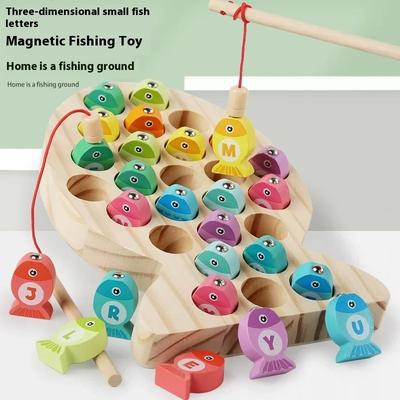
Inspire Select Wooden Montessori Fishing Toy Set Kids Number & Alphabet Learning Game For Early Education Training lettersMake learning fun and interactive with a playful educational experience. This Montessori fishing toy helps children develop essential skills while enjoying handson play. Designed for toddlers and young kids, this wooden learning toy combines...96,97 $*Shipping: 0,00 $Secure redirect to the provider
-
What are the interactions between natural environment and cultural environment in geography?
The interactions between natural and cultural environments in geography are complex and interconnected. The natural environment, including factors such as climate, topography, and resources, shapes the cultural practices and lifestyles of human populations. In turn, human activities and cultural practices can have significant impacts on the natural environment, such as deforestation, pollution, and habitat destruction. These interactions are studied in the field of cultural ecology, which seeks to understand how human societies adapt to and modify their natural surroundings. Understanding these interactions is crucial for sustainable development and conservation efforts. **
-
What harms the environment more?
Both natural disasters and human activities can harm the environment, but human activities tend to have a more significant and long-lasting impact. Activities such as deforestation, pollution, and overconsumption of resources can lead to habitat destruction, loss of biodiversity, and climate change. While natural disasters can cause immediate and severe damage to the environment, the effects are often localized and can sometimes even have positive impacts in the long term by restoring ecosystems. Ultimately, it is important for humans to be mindful of their impact on the environment and work towards sustainable practices to minimize harm. **
-
What is the social environment?
The social environment refers to the surrounding conditions, influences, and interactions that shape the behavior, attitudes, and beliefs of individuals within a society. It includes factors such as cultural norms, social institutions, social relationships, and societal values that impact how people interact with one another. The social environment plays a significant role in shaping an individual's identity, socialization, and overall well-being. It can also influence access to resources, opportunities, and social support networks. **
-
What is a psychosocial environment?
A psychosocial environment refers to the social, emotional, and psychological factors that influence an individual's well-being and mental health. It includes aspects such as relationships with family and friends, social support networks, cultural beliefs, and societal norms. The psychosocial environment plays a significant role in shaping a person's identity, behavior, and overall mental health. Creating a positive psychosocial environment can promote resilience, emotional well-being, and a sense of belonging. **
* All prices are inclusive of VAT and, if applicable, plus shipping costs. The offer information is based on the details provided by the respective shop and is updated through automated processes. Real-time updates do not occur, so deviations can occur in individual cases. ** Note: Parts of this content were created by AI.